A house is one of the biggest purchases of a lifetime. A good design and quality materials mean nothing if the work is done by the wrong contractor. This article sums up nine things to check before you sign a contract, the red flags to avoid, and a list of questions for your first consultation.
Why your choice of contractor determines how your house turns out
A contractor is more than a builder. They turn drawings into a building, manage the workers, buy the materials, and handle your schedule and money. Small decisions on site, such as rebar spacing or the concrete mix, determine the strength of your house for decades to come. That is why choosing a contractor deserves care, not just a search for the lowest price.
The consequences of choosing the wrong contractor usually show up months later: cracked walls, a leaking roof, or a project that stalls halfway because the money has run out. Fixing it almost always costs more than doing it right the first time. Taking a week or two to check potential contractors is a small investment compared to the value of the home you will live in for years.
9 things to check
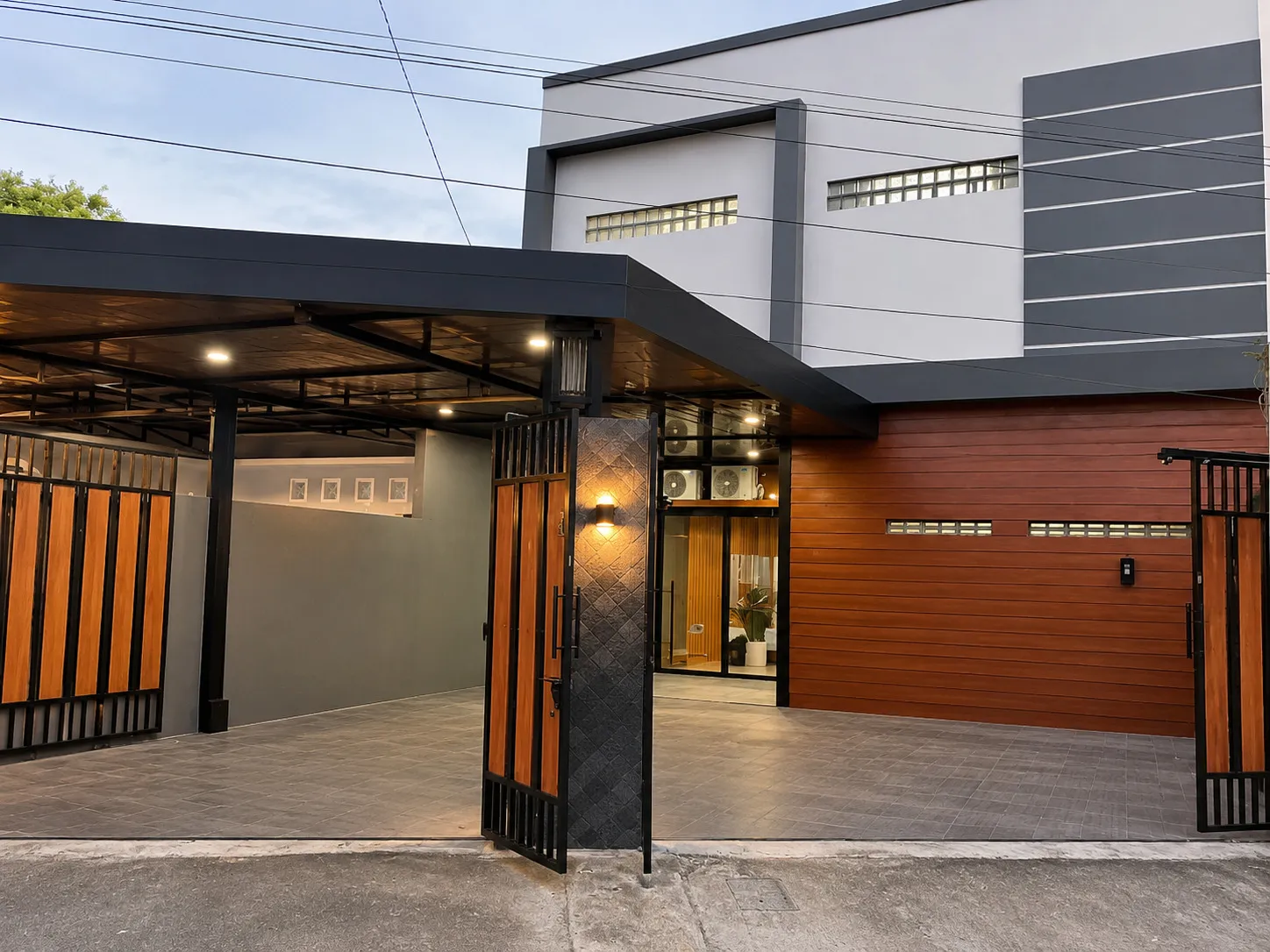
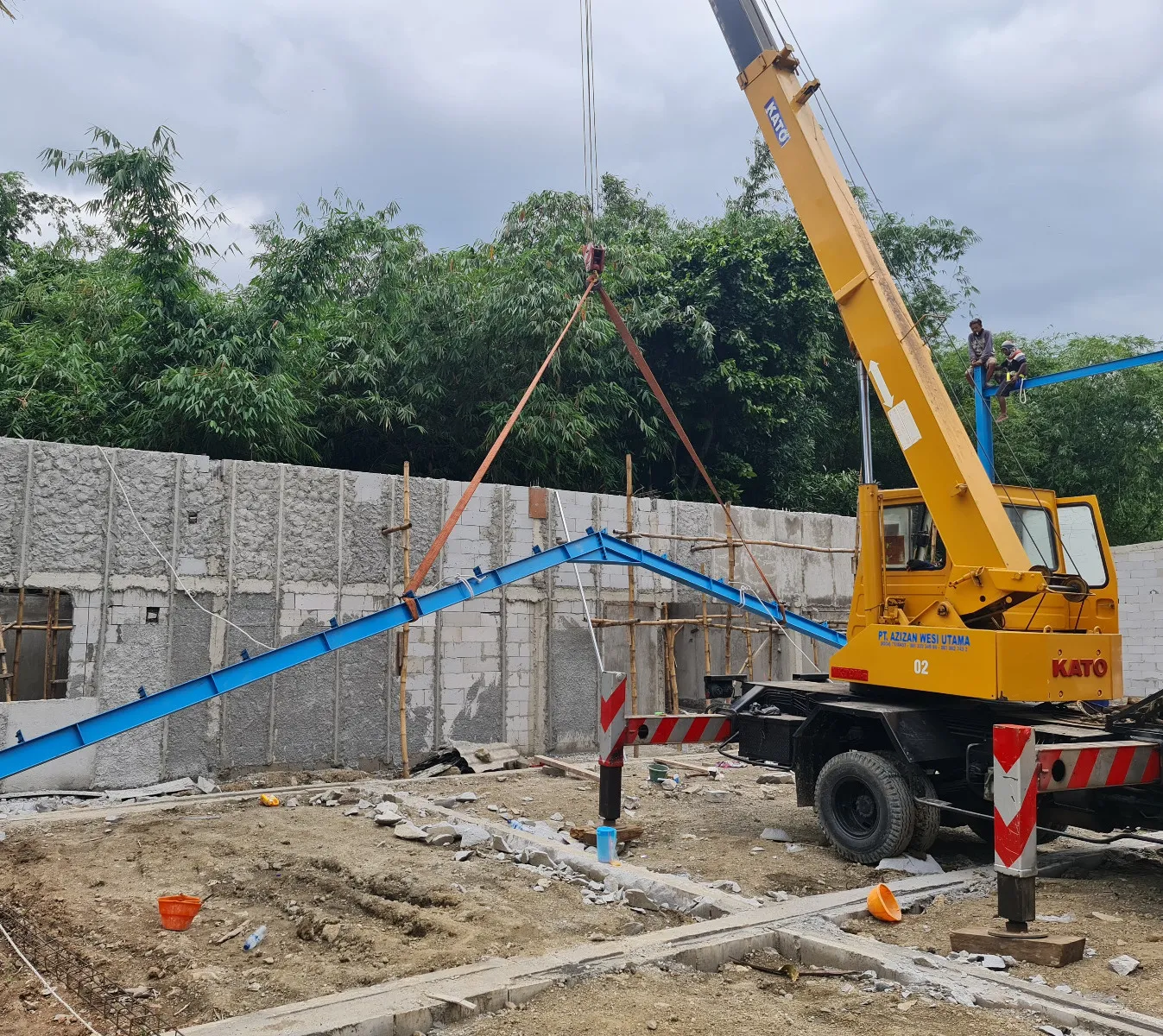
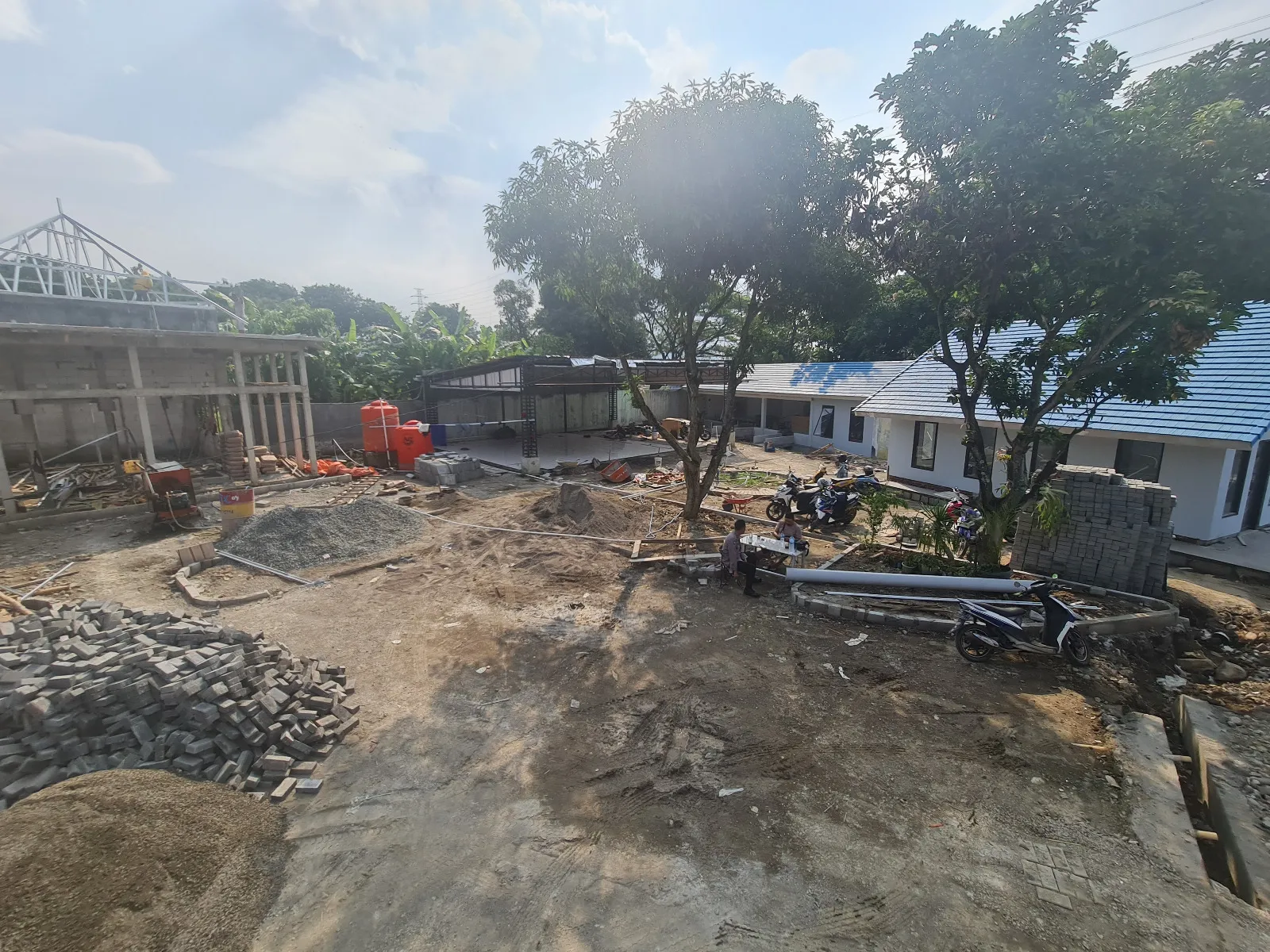
- A real portfolio. Ask for photos of past projects, with their location and scope. Even better if there are photos of the process, not just the final result.
- A clear office address. A contractor with a permanent office is easier to reach, including during the maintenance period.
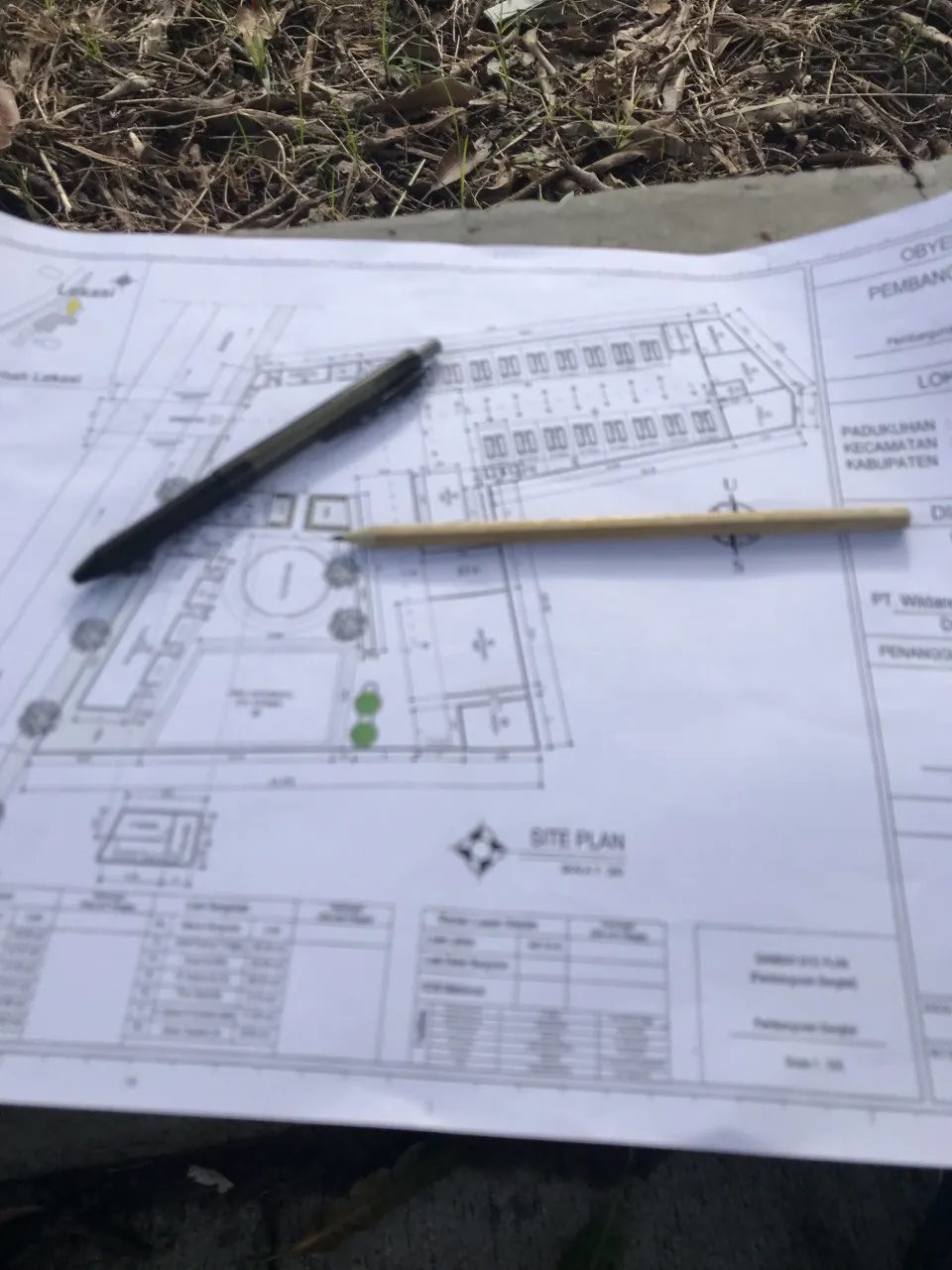
- An itemised cost estimate. A good cost estimate (RAB) separates labour and materials for each work item. A total figure without a breakdown makes it hard to compare and monitor.
- A written contract. The scope, specifications, schedule, payment terms, and maintenance period must be in writing and signed by both parties.
- Payment by progress, not in full upfront. Healthy payment terms follow completed stages of work, paid to an official account with an invoice and receipt.
- A progress reporting system. Ask how you will be kept informed: how often, in what form, and through which channel.
- A maintenance period. A contractor who trusts their work is willing to offer a maintenance period after handover.
- SNI and K3 compliance. The structure should be designed to the Indonesian National Standard (SNI), and the site should apply Occupational Health and Safety (K3).
- Policies on price increases and variations. Material prices can rise mid-project. Who bears the cost? What if you want to add or remove work? Make sure the answers are in writing.
Red flags to avoid
- Asking for full or most of the payment upfront before work begins.
- Refusing to provide a detailed cost estimate, giving only a lump-sum figure without explanation.
- Refusing to make a written contract because “we already trust each other”.
- A price far below other quotes without an explanation of the specifications.
- Being unable to show past projects or an office address.
- Being hard to reach even before the contract is signed.
How to compare several quotes fairly
It’s reasonable to ask two or three contractors for quotes. The problem is that quotes often can’t be compared directly because their scope and specifications differ. One contractor may already include ceilings and electrical installations, while another doesn’t. As a result, the quote that looks cheapest can end up the most expensive once variations are added.
To make the comparison fair, follow these steps:
- Give every contractor the same design or construction drawings.
- Ask for an itemised cost estimate, then line up the same work items in one table.
- Mark items that appear in only one quote and ask why.
- Compare material brands and types, not just the total price.
- Check the work schedule and payment terms, as both affect your risk.
If you don’t have a design yet, start by producing the same construction drawings for all potential contractors. With the same reference, quotes from any contractor are easier to compare.
Questions for your first consultation
Bring this list when you meet a potential contractor and note down the answers:
- Which past projects of yours are similar to my house?
- Is the site survey paid?
- Is the cost estimate itemised, with labour and materials separated?
- What is the payment schedule?
- How often will I receive progress reports, and in what form?
- How long is the maintenance period after handover?
- Who bears material price increases mid-project?
- Who supervises the work on site every day?
To understand at which stage each of these questions matters, read the stages of building a house. For a budget overview, see the cost of building a house per m² in Yogyakarta.
How /M2 Project answers this list
As an example, here is how we answer the nine points above:
| What to check | /M2 Project |
|---|---|
| Portfolio | Residential and commercial projects since 2014, including Bank Panin, Indomarco, and Jantra Kaki-Kaki. See our portfolio. |
| Office | Aurora Complex, Jl. Watugede, Ngaglik, Sleman |
| Cost estimate | Itemised per work item, labour and materials separated |
| Contract | Written: scope, schedule, payment terms |
| Payment | Down payment and instalments by progress, transferred to the company account with an invoice and receipt |
| Reports | Daily and weekly |
| Maintenance period | 3–6 months after handover |
| SNI & K3 | Structures designed to SNI, K3 standards on site |
| Prices & changes | Terms for material price changes are stated in the contract; variations are handled on terms adjusted to site conditions |
Conclusion
A good contractor doesn’t mind being checked. Use the nine points above to compare several quotes fairly. If you’d like to start with us, the site survey is free, and you can chat with our admin on WhatsApp right away.